Guide
Private Seller Collection Without Transport Stress
By OctoFetch ·
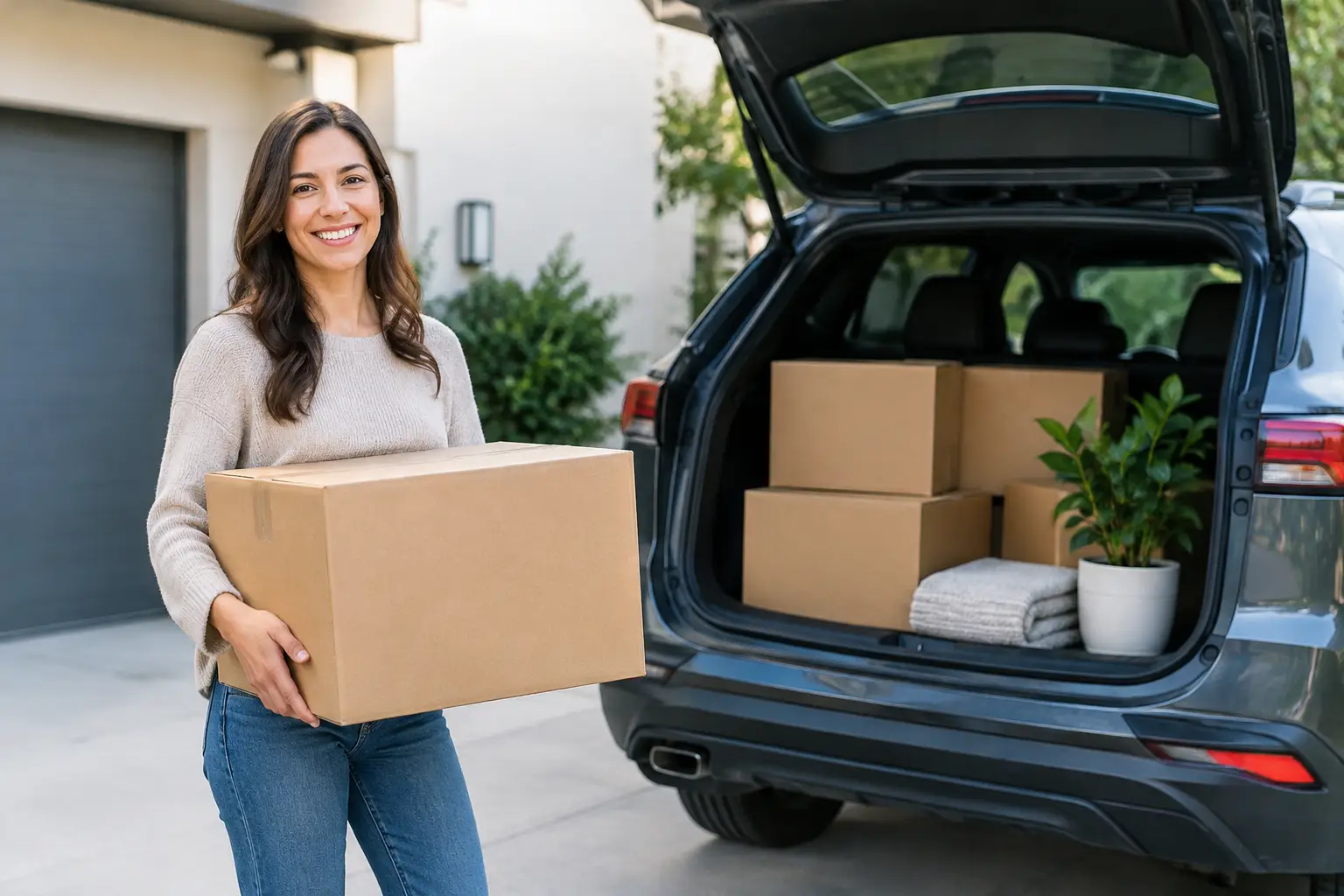
That collection-only sofa looked like a bargain until you remembered the awkward bit: getting it from a stranger’s front room to yours. A private seller collection is the practical answer when you have found the right piece on Facebook Marketplace, eBay, Gumtree or through a local advert, but do not have a van, a spare afternoon or a favour to call in.
For bulky second-hand purchases, transport should not be the reason you miss out. The right collection service turns a string of uncertain messages, van-hire questions and last-minute cancellations into a booked job with a clear price and a date you can work around.
What a private seller collection involves
A private seller collection is the pickup of an item you have bought directly from an individual, followed by delivery to your home. It is particularly useful for one-to-three-piece purchases that are too large for a car: sofas, beds, wardrobes, dining tables, white goods, gym equipment, bicycles, AV equipment and car parts.
The collection side matters as much as the delivery. Private sellers often have limited availability, may need the item gone promptly and may not be used to arranging transport. They need to know when somebody is coming, what help is required and whether the item can be taken from where it is currently sitting.
That is why accurate details at the booking stage make such a difference. You are not simply booking a vehicle from postcode A to postcode B. You are arranging a managed pickup from a real home, flat, garage or ground-floor space, with access conditions that can affect the job.
The easiest way to arrange collection from a seller
Start by agreeing the item and price with the seller before arranging transport. Ask whether it is still available, whether it is assembled, and where it is located within the property. A wardrobe on the ground floor is a different job from one at the top of a narrow staircase.
Then enter the collection and delivery postcodes, along with the item details and any access information. A scheduled-route service can show a fixed price and available dates upfront, rather than leaving you to post a request and wait for courier bids that may change or never arrive.
Once booked, send the seller the agreed collection date and keep them updated. It is worth confirming their contact number and checking that they can provide access during the collection window. Clear communication prevents the classic marketplace problem: you have paid for the item, the driver is ready, and the seller has unexpectedly gone out.
OctoFetch is designed for exactly this kind of one-off bulky purchase, with scheduled collection and delivery routes, live tracking and support when you need it. No courier bidding, no chasing several people for quotes and no guesswork over whether your purchase will fit in a borrowed car.
Information to get from the seller before booking
The seller’s listing can be incomplete, especially when the item has been in their home for years. Before you book, get the basics right. Ask for the item’s width, height and depth where possible, and request photographs from more than one angle if the listing is vague.
For upholstered furniture, confirm whether there are detachable legs or cushions. For beds, establish whether it is a complete frame, whether it is already dismantled and whether the mattress is included. With appliances, ask whether they are disconnected and ready to move. These small details help ensure the right vehicle space and handling plan are allocated.
Access is equally important. Tell the transport provider if there are steps, tight turns, a lift, restricted parking, a long path, a gated development or an item located above ground floor. Be honest about awkward access rather than hoping it will be fine on the day. It gives the team the best chance of confirming what is workable before collection is scheduled.
It also helps to check the seller’s expectations around loading. Driver-only services are not the same as a team sent to dismantle furniture or navigate every difficult stairwell. Ground-floor in-home collection and delivery can make the process much easier, but the item, route and access details must fit the service booked.
Why a fixed price beats an open-ended quote
A cheap-looking delivery request can become expensive when the final quote depends on who responds, when they are travelling or what extra information emerges later. For buyers who have just negotiated a good deal on a second-hand item, that uncertainty can wipe out the saving quickly.
A clear upfront price lets you make a proper decision before committing. You can compare the full cost of the item and its delivery against buying new, hiring a van or waiting for another listing. Sometimes an item that seemed inexpensive no longer represents value once transport is included. Other times, a well-made vintage table or quality sofa is still an excellent buy even after delivery.
It depends on the item, distance and urgency. If the seller needs it collected tomorrow, route availability may be more limited. If you can be flexible with dates, a scheduled route can be a more straightforward and cost-effective option. The key is knowing the price and available dates before you book, rather than being left to negotiate after the purchase.
Preparing for collection day
Private seller collection works best when both ends are ready. The seller should have the item accessible, clear a path where practical and keep pets safely out of the way. If the item is a chest of drawers, cabinet or similar piece, it should be empty. Loose shelves, glass panels and detachable parts should be identified so they can be handled appropriately.
At your delivery address, measure the route from entrance to room before the item is on its way. Check door widths, hallways, corners and stair access. This takes a few minutes and can save a frustrating discovery at the doorstep.
Make sure somebody is available to receive the delivery during the agreed window. If you live in a block of flats, consider parking arrangements, concierge access and lift rules in advance. Let the provider know anything that could affect arrival or access, rather than relying on the driver to work it out at the gate.
When collection-only buys are worth the effort
Collection-only listings often attract fewer buyers because transport feels like a problem. That can work in your favour. You may find better-value furniture, distinctive vintage pieces, nearly new appliances or solid wood items that would otherwise be outside your budget.
There is also a practical sustainability benefit in giving a good item another useful home. Buying locally does not mean you need to collect it personally. A planned delivery service can make a purchase from a private seller feel far more manageable, even when it is too large for your own vehicle.
Still, do not let the excitement of a bargain override common sense. Check condition carefully, confirm dimensions, agree the price with the seller and factor delivery into your total spend. If anything about the listing, access or seller communication seems unclear, ask before booking.
Private seller collection without the back-and-forth
The best collection experience is uneventful: the seller knows when to expect pickup, you can follow the progress of the job, and your item arrives on the date you planned for. That outcome starts with honest item details, two correct postcodes and a service built around bulky one-off purchases.
Found something you love but cannot get it home? Sort the transport early, give clear access information and let the collection become the easy part of the purchase.