Guide
Furniture Delivery Options for Collection-Only Buys
By OctoFetch ·
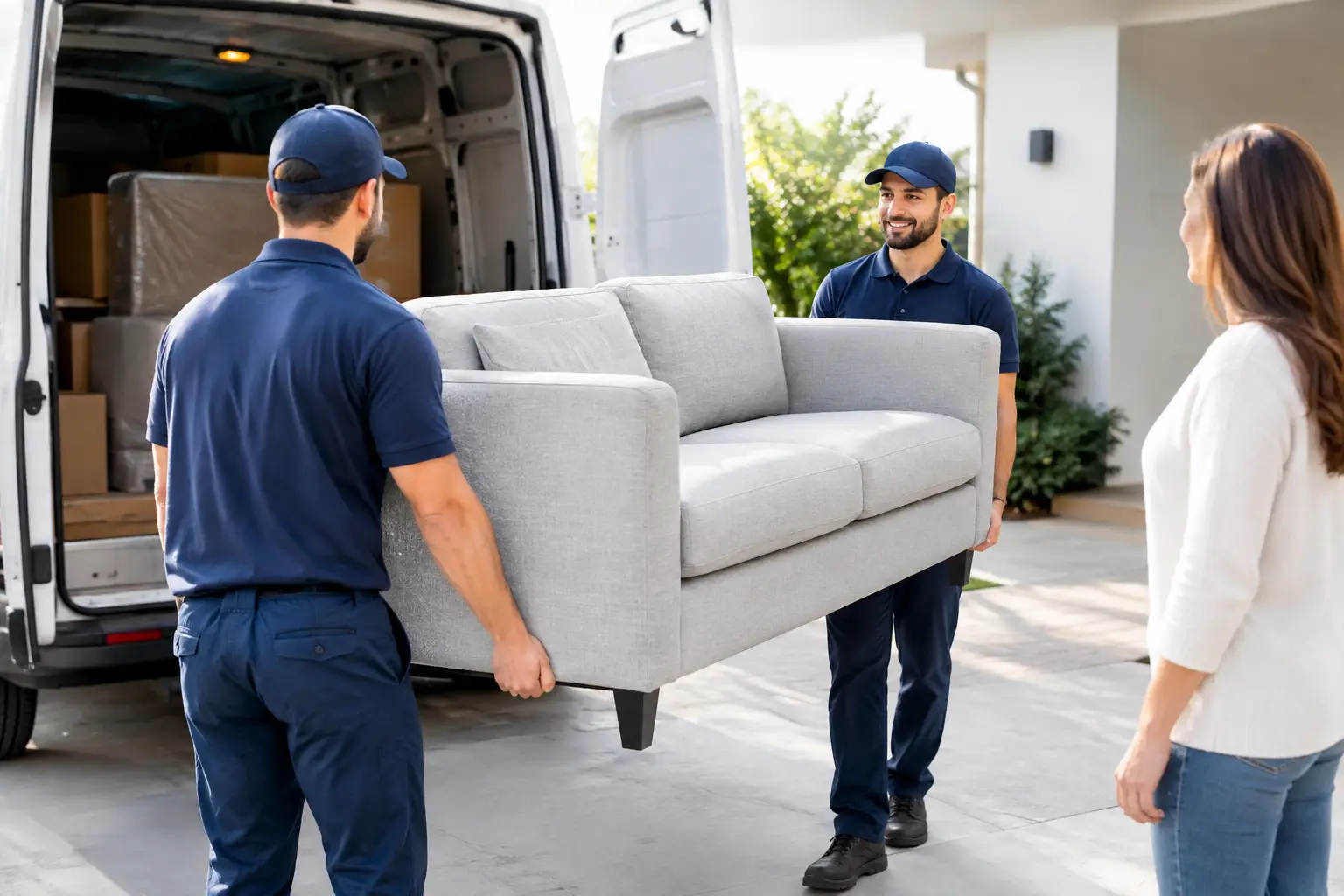
Found a sofa that fits the room perfectly, a solid wood wardrobe at a good price, or a dining table from a local charity shop? The hard part is often not buying it. It is getting it home. Furniture delivery options can look simple until you factor in collection times, narrow hallways, stairs, seller availability and the fact that the item will not fit in your car.
For one-off furniture buys, the right choice is usually the one that gives you a clear price, a realistic collection date and someone reliable to coordinate the journey. Here is how the main options compare, and what to check before you commit to a collection-only purchase.
Furniture delivery options: what works for one-off buys?
There is no single best answer for every item. A boxed bedside table collected five minutes away is a different job from a three-seater sofa bought from a seller two counties over. The practical choice depends on the item’s size, where it is being collected from, access at both ends and how much coordination you are willing to take on.
Borrowing a vehicle
Borrowing a friend’s van or large car can be the cheapest option, particularly for a small item and a short journey. It can also be convenient if the seller is flexible and you can collect quickly.
The catch is that bulky furniture is rarely a one-person job. You still need to arrange help for lifting, protect the item in transit, secure it properly and work around somebody else’s diary. Before setting off, check the internal dimensions of the vehicle, not just its exterior size. Many wardrobes, bed frames and sofas look as though they will fit until the tailgate will not close.
Hiring a van
Van hire gives you more control over timing and vehicle size. It can make sense when you have several items to collect in the same area, confident drivers and willing hands at both ends.
But the advertised daily rate is not always the full cost. Fuel, insurance excesses, mileage limits, parking, congestion charges and the time spent collecting can change the picture. You also need to be comfortable loading and securing awkward items. A large wardrobe or heavy appliance can be difficult to manoeuvre without the right equipment and enough people.
Asking an informal local contact
A local driver with a van may be available at short notice, and this can work for a straightforward nearby pickup. The risk is uncertainty. Will they arrive within the seller’s collection window? Is the price agreed before the journey? What happens if the item is larger than expected, access is difficult or messages stop being answered?
This route can be tempting when a listing says “collection today”. It is worth treating it with the same care as any other arrangement: agree the item details, addresses, timing, price and who is helping to load before money changes hands.
Booking a courier marketplace
Courier bidding platforms allow drivers to quote for a job. For some deliveries, especially where timing is flexible, that may provide options.
The trade-off is that you may need to create a detailed listing, wait for quotes, compare them and communicate with several people. A low quote may not cover stair access, extra waiting time or in-home placement. If the seller needs a specific collection slot, the back-and-forth can be the last thing you need when another buyer may be ready to take the item.
Using a scheduled bulky-item delivery service
A specialist scheduled-route service is designed for the common collection-only problem: you have bought one, two or three bulky items and need them collected from a seller and delivered to your home. You enter the collection and delivery postcodes, add the item and access details, then see the fixed price and available dates before booking.
This is often the clearest option when you do not have a suitable vehicle, do not want to negotiate with bidding couriers and need a managed collection from a private seller, shop, auction house, reuse centre or marketplace. OctoFetch focuses on these awkward one-off moves, with live tracking, support and free ground-floor in-home collection and delivery.
The details that change the price and plan
A delivery quote is only useful if it reflects the real job. Being accurate at the booking stage helps avoid delays on the day and gives everyone a better chance of handling the item safely.
Start with the furniture itself. Describe what it is, how many pieces it has and, where possible, its approximate measurements. A dismantled bed frame, for example, is very different from a fully assembled king-size bed. Tell the provider if a sofa is a recliner, if a wardrobe comes apart or if an appliance needs to remain upright.
Then think about access. Is the item on the ground floor, upstairs or in a building with a lift? Are there tight turns, low door frames, parking restrictions, steps, gates or a long walk from the road? At delivery, say where you would like the item placed and whether that location is on the ground floor. Clear access information is not small print - it is what turns a vague plan into a successful delivery.
It also helps to confirm the seller’s arrangements early. Ask when they are available, whether the item is ready to go and whether they can assist with loading if needed. For a private sale, let them know that collection has been booked and share the agreed date once confirmed. A quick message can prevent the frustrating situation where a driver arrives but the seller is out.
Choose certainty when the item is worth keeping
A bargain can stop being a bargain if collecting it takes a whole day, costs more than expected or falls through after you have paid. That does not mean the cheapest option is always wrong. If you have access to a suitable vehicle, help with lifting and a nearby seller, borrowing or hiring a van may be sensible.
Scheduled delivery tends to earn its keep when the journey is longer, the item is awkward, the seller has limited availability or you simply want a defined plan. A clear upfront price means you can decide whether the total cost still makes sense before committing. Available route dates let you plan around work, childcare and the seller’s timetable rather than hoping someone can fit the job in.
It is also a better fit for furniture that has some character or value to you. That could be a vintage chest of drawers, a nearly new sofa, a family dining set or a practical washing machine from a local retailer. These are not parcels to leave on a doorstep. They need sensible handling and communication from collection through to delivery.
A simple way to book furniture transport
The quickest route from “collection only” to “in your room” starts with two postcodes. Add the collection postcode and delivery postcode, then provide the item details and access information. You can then view the price and route-specific dates rather than waiting for a string of quotes.
Before booking, check that the description matches the listing and that the seller’s contact details are correct. If there are stairs, a lift, restricted parking or multiple furniture pieces, include that information from the start. It is far easier to organise the right plan before collection day than to solve an access issue with a seller waiting at the door.
Once booked, keep your phone nearby and make sure the collection point and delivery route are accessible. If you live in a flat, consider reserving visitor parking where needed and letting building staff know a bulky delivery is expected. A few minutes of preparation can save a great deal of awkward manoeuvring.
Do not let “collection only” decide for you
The best second-hand, clearance and local furniture finds are often collection only because sellers cannot offer transport themselves. That should not force you to pass on an item you genuinely want, nor should it push you into a rushed arrangement that feels uncertain.
Choose the delivery option that suits the item, the route and your level of involvement. With accurate details, a confirmed collection window and a clear delivery plan, that sofa, wardrobe or table can move from somebody else’s listing to your home without turning your weekend into a logistics project. Let’s get it home.