Guide
Charity Shop Furniture Delivery Made Simple
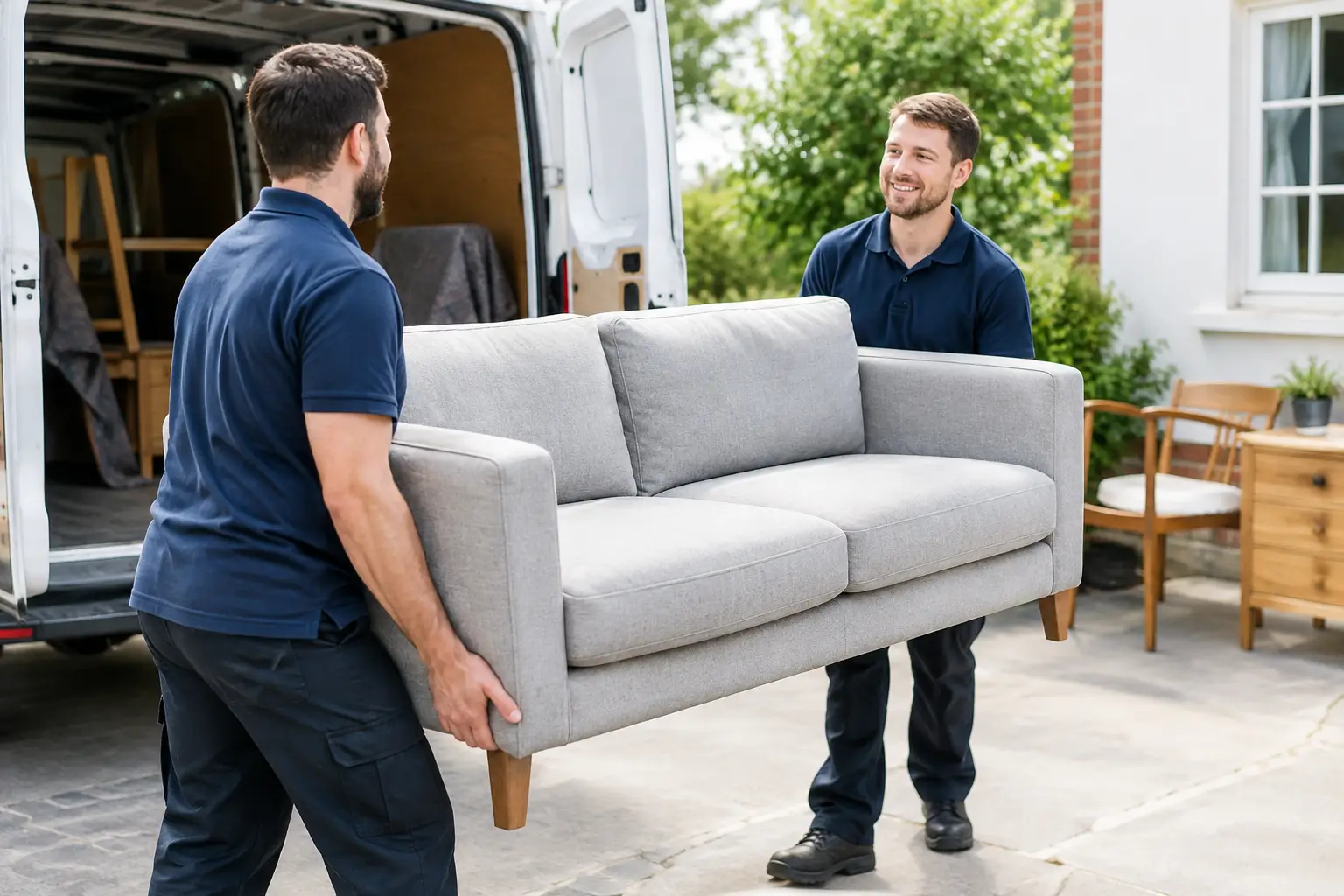
That £85 solid-wood sideboard, almost-new sofa or characterful dining table can disappear quickly. Charity shop furniture delivery removes the awkward bit: getting a collection-only find from the shop floor to your home without borrowing a van, asking favours or chasing courier quotes.
For many buyers, transport is the only reason a brilliant piece gets left behind. It does not need to be. With the right details ready, a bulky charity-shop purchase can be a straightforward, planned delivery - with a clear price and a date that works for you.
Why charity-shop finds need a delivery plan
Charity retailers often receive one-off donated furniture, so their stock changes constantly. A particular armchair, wardrobe or washing machine may be available only once. If you like it, waiting several days to work out transport can mean someone else buys it first.
Many shops also sell larger pieces on a collection-only basis. That is understandable: a sofa cannot go home in the back of most cars, and staff cannot usually hold items indefinitely. Delivery is therefore not an extra to consider after buying. It is part of making the purchase possible.
A specialist bulky-item service suits this gap. Rather than treating your purchase like a full household move or a standard parcel, it focuses on getting one to three awkward items collected and delivered on a scheduled route. You enter the collection and delivery postcodes, describe the item and access at both ends, then see the available dates and fixed price before booking.
No courier bidding. No vague ‘from’ price. No need to contact a string of people and hope one is available.
Before you pay: check the furniture, access and shop rules
A great price is only great if the furniture fits through the door and into the room where you want it. Take a few minutes to check the practical details while you are in the shop. It prevents a stressful surprise on delivery day.
Measure more than the item
Ask for the furniture’s widest, tallest and deepest points. For sofas, include the arms and any feet that cannot be removed. For wardrobes, ask whether they come apart. Then measure your front door, internal doors, hallways, stair turns and any tight corners.
The shape of an item matters as much as its measurements. A long sofa may fit through a wide doorway but struggle on a narrow turn. A heavy chest of drawers may be compact enough for a hallway but awkward to carry upstairs. If access is particularly restricted, say so when booking rather than assuming it will be fine.
Check condition with clear eyes
Second-hand furniture has a history, and that is often part of the appeal. Look closely at upholstery, drawer runners, legs, doors and fixings. Open and close everything that moves. If an item is electrical, ask what testing information the shop can provide and whether cables or accessories are included.
For upholstered pieces, check the label and condition carefully. For a dining table, inspect the underside as well as the top. Minor wear may be perfectly acceptable at a charity-shop price, but it should be a choice you make before collection.
Confirm when the shop can release it
Every charity shop has its own process. Some will mark furniture as sold and hold it for an agreed period; others need a collection reference, receipt or a call before the driver arrives. Ask for the shop’s collection hours, its full address and the name or department to quote on arrival.
Also find out where the item is kept. Is it on the ground floor? Does the collection point have rear access, a loading bay or a customer car park? These details make the booking more accurate and help avoid delays for the shop, the driver and you.
How charity shop furniture delivery works
The easiest delivery arrangements start with accurate information. You do not need logistics jargon. Just describe what is being moved and what the journey looks like.
Enter the shop’s postcode and your delivery postcode, then select the item type and add dimensions where requested. Include useful notes such as ‘two-seat sofa’, ‘oak wardrobe in two sections’ or ‘boxed tumble dryer’. Photos can be helpful when an item has an unusual shape or is especially bulky.
Next, explain access at both properties. Mention steps, flights of stairs, lifts, narrow entrances, parking restrictions and long walks from the vehicle to the door. If the furniture is on an upper floor at the shop, make that clear too. Good access information is not paperwork for its own sake - it is what allows the collection and delivery to be planned properly.
With OctoFetch, you receive an upfront, route-based price and available dates before you book. That gives you a practical answer while the item is still available, rather than waiting for competing bids or trying to negotiate a last-minute collection.
Scheduled routes can mean the earliest available date depends on where the shop and your home sit within the coverage network. If you need the item quickly, check dates before finalising the purchase or ask the shop whether it can hold the item until your chosen slot. Flexibility can open up more options, but certainty is usually worth arranging early.
What happens on collection and delivery day
Keep the receipt, collection reference and shop contact details to hand. Let the shop know a booked collection is coming if that is part of its process. Make sure the furniture is clearly identified and that staff know it has been paid for.
At your home, create a clear route from the entrance to the room. Move rugs, shoes, small tables and anything fragile that could get in the way. If you live in a flat, check lift arrangements and any building rules around vehicle access or delivery times.
Ground-floor in-home collection and delivery can take the pressure off the final few metres, but access details still matter. A driver cannot safely manoeuvre a large item through an obstruction or around an unmentioned tight turn. Being realistic at the booking stage is the best way to protect the item, the property and the planned schedule.
Live tracking and managed support are useful when collection windows involve a busy shop or a day at home. You know what is happening without repeatedly calling around for updates. That matters when you have bought a one-off piece and simply want it safely in place.
The real cost of ‘doing it yourself’
Van hire can look cheaper at first glance, particularly for a nearby charity shop. But the headline rate is not the whole cost. There may be fuel, insurance excesses, mileage limits, parking, loading time and the practical issue of lifting bulky furniture safely. You may also need to collect and return the vehicle within fixed hours.
A professional one-item delivery is not always the lowest-price option in every situation. If you already have a suitable vehicle, easy access and willing help, collecting it yourself may be sensible. But when the item is heavy, valuable, awkward or a long distance away, a clear delivery price often represents better value than a supposedly cheap plan that becomes complicated.
The bigger benefit is confidence. You can buy the furniture you actually want rather than limiting your search to pieces that fit in a hatchback.
Make a good find easier to say yes to
Charity shops are one of the best places to find furniture with quality, character and a lower price tag. Buying pre-loved also keeps useful pieces in use for longer and supports the work of the charity behind the shop.
When you spot something that suits your home, get the dimensions, confirm the collection window and arrange transport while the item is reserved. Collection-only item? Let’s get it home.