Guide
How to Collect Furniture Without a Van in the UK
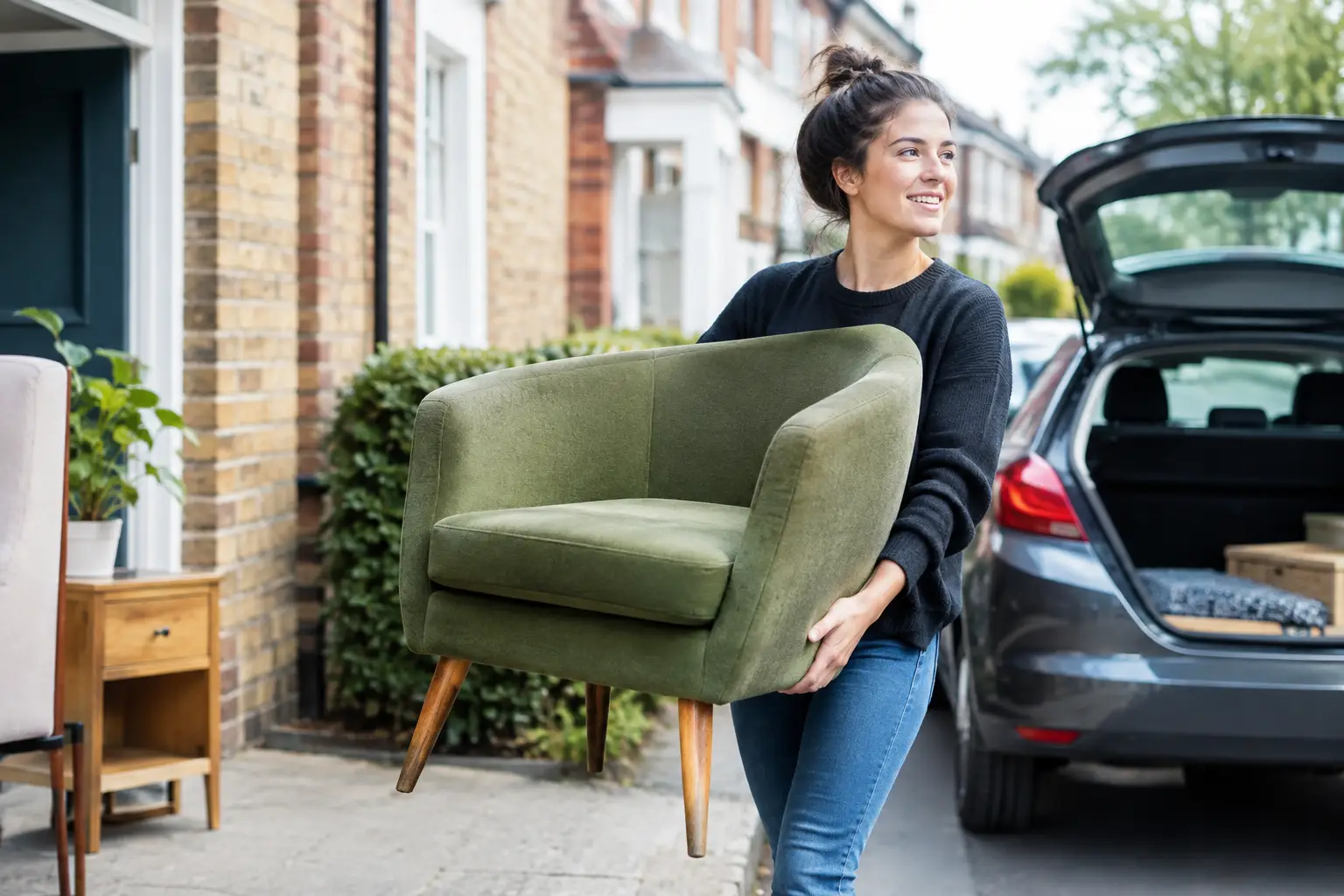
That collection-only sofa on Facebook Marketplace is a bargain until you picture it balanced across the back seats of a hatchback. The good news is that learning how to collect furniture without a van is less about improvising and more about choosing the right transport option before you hand over the money.
Whether it is a vintage chest of drawers, a charity-shop dining table or a nearly-new bed frame, the key is to match the item, access and distance to a realistic collection plan. Get those details right and a collection-only purchase can arrive at your door without borrowing a vehicle, chasing unreliable drivers or spending your weekend wrestling flat-pack-sized problems.
Start with the furniture, not the journey
Before arranging collection, find out exactly what you are buying. Ask the seller for the item’s width, height and depth, plus clear photos of every side. For sofas, wardrobes and appliances, ask whether there are removable legs, shelves or doors. A few centimetres can decide whether an item fits through a hallway or needs a different approach.
Weight matters too. Solid wood furniture, washing machines and reclining sofas can be far heavier than they look. Do not assume two people can safely manoeuvre an item just because it will fit through the door. If the seller has an original listing, receipt or model number, that may help confirm dimensions and weight.
Then check the access at both ends. Is the item on the ground floor, up a narrow staircase or behind a gate with limited parking? Is there a lift, and is it large enough for the furniture? Measure tight points in your own property, including door frames, landings, turns in the stairs and the route from the entrance to the room.
This may feel like extra admin for a second-hand sideboard, but it prevents the most frustrating outcome: paying for transport only to find the furniture cannot get inside.
The realistic ways to collect furniture without a van
There is no single best answer. A small bedside table collected from five minutes away is different from a three-seat sofa bought from another county. Your choice should reflect the item’s size, the distance, your confidence handling it and how much coordination you are willing to take on.
Borrow a suitable vehicle
A friend or family member with an estate car, people carrier or pick-up lorry may be enough for smaller pieces such as dining chairs, compact cabinets or dismantled bed frames. It can be the lowest-cost option, provided the vehicle is genuinely suitable and the item can be secured safely.
Measure the boot opening and internal space rather than relying on guesswork. Protect upholstery with clean blankets, use straps to prevent movement and never drive with a load that blocks your view or leaves a door unsecured. This option works best when the item is local and light enough to load safely with the help available.
Hire a vehicle for the day
Van hire can make sense when you have several items to collect nearby, are comfortable driving a larger vehicle and can commit to the hire period. It is less attractive for one wardrobe on the other side of the country, especially once you add fuel, excess-mileage charges, insurance, parking and the time spent travelling.
You will also need to collect and return the vehicle, navigate unfamiliar roads, arrange loading help at both addresses and make sure the furniture is secured properly. A day hire is not automatically the cheaper route just because the headline price looks low.
Ask a seller if they can deliver
Some independent shops, charity retailers and private sellers can offer delivery, particularly for local sales. It is always worth asking before ruling an item out. Confirm the price, delivery day, where the item will be left and whether they can help with access at your property.
The trade-off is availability. A private seller may only be able to deliver after work, while a shop may cover a limited area or combine deliveries on certain days. If timings matter, get the arrangement confirmed in writing through the marketplace messages.
Book a specialist furniture collection service
For bulky, collection-only purchases, a scheduled delivery service is often the most straightforward answer. You provide the collection and delivery postcodes, the item details and any access information, then choose from the available dates at a clear upfront price.
This is particularly useful for sofas, beds, wardrobes, appliances, gym equipment and other awkward one-to-three-piece purchases. Rather than hiring a vehicle or posting a job to multiple couriers and waiting for bids, you can book transport designed for the task.
OctoFetch offers scheduled-route collection and delivery for these kinds of purchases, with fixed pricing, live tracking and managed support. Ground-floor in-home collection and delivery is included, subject to the item and access details you provide when booking.
Give accurate collection information
A smooth collection starts with good information. Tell the transport provider what the item is, how many pieces there are, its approximate measurements and whether it is especially heavy, fragile or awkward to handle. Mention detachable parts, glass panels, loose cushions and anything else that affects loading.
Access details are just as useful. State the floor level, whether there are steps, the nearest practical parking point, any entry restrictions and whether the seller needs advance notice. If collection is from a marketplace seller, make sure they know the booked day and that someone will be present to release the item.
Be honest about staircases and tight spaces. Hiding a difficult access point will not make it disappear on collection day. It may mean the item cannot be moved safely or that a planned collection needs to be rearranged.
Agree who is doing what before booking
Furniture collection involves more than a vehicle. Someone may need to open a gate, move smaller objects out of the way, provide building access or help identify the correct item at a busy reuse centre or auction house.
Check the service terms on loading and assistance before you book. Driver-only services are designed around a driver handling the transport, not around an extra lifting team being available for every difficult item. At the collection end, the seller should have the furniture ready and accessible. At delivery, clear a route to the intended room and make sure you can answer your phone around the agreed time.
If you need furniture dismantled, ask the seller whether that can be done in advance. Do not assume a driver will disassemble a wardrobe, remove a door or carry an item through access that has not been disclosed.
Protect your purchase and your home
Second-hand furniture often has character, but it can also have existing marks. Take screenshots of the listing and save photos showing the condition before collection. If you are buying through a marketplace, check that the seller’s description, price and collection address all match what you agreed.
At home, protect vulnerable corners and clear clutter from hallways. If you have newly painted walls, light-coloured carpets or delicate flooring, mention this when discussing access and prepare the route before the vehicle arrives. A clear path is safer for everyone and makes delivery quicker.
It is also sensible to inspect the item as soon as it arrives. Check drawers, doors, legs and visible surfaces before the driver leaves where practical. For electrical items, allow them to stand as recommended before switching them on, particularly if they have been transported on their side.
When a collection-only bargain is worth it
A collection-only listing can offer better value, more unusual styles and less competition than an item with delivery included. It is often how people find the perfect mid-century cabinet, quality solid-wood table or branded sofa at a sensible price.
But factor transport into the total from the start. A £60 table that costs £90 to move may still be worth it if it is the right size, condition and style. Equally, a cheap wardrobe is not a bargain if it will not fit up your stairs. Compare the complete cost and effort, not just the listing price.
The best approach is simple: measure first, confirm access, be clear with the seller and choose a transport option that suits the item rather than forcing the item to suit your car. Found something you love? Get the practical details sorted early, and you can enjoy the find instead of worrying about how it gets home.