Guide
Secondhand Furniture Transport Guide for UK Buyers
By OctoFetch ·
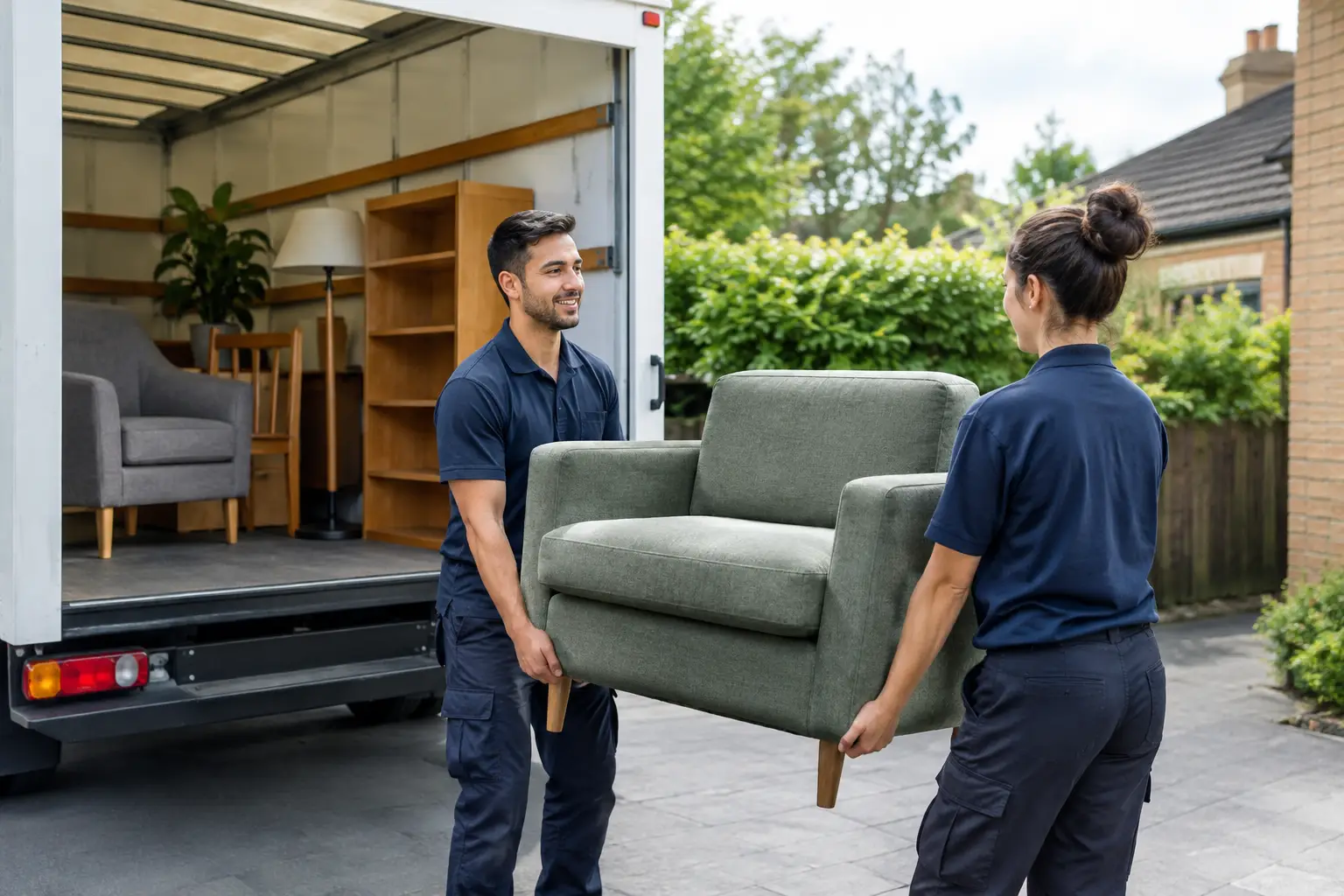
A collection-only sofa can be a brilliant find right up until you realise it is three towns away, your car is not big enough and the seller wants it gone by Saturday. This secondhand furniture transport guide is for that exact moment: when the price is right, but getting the item home needs a proper plan.
Buying pre-loved furniture is one of the smartest ways to furnish a flat or home. You can find better-made pieces, unusual designs and serious value through Facebook Marketplace, eBay, Gumtree, charity shops, auction houses and local sellers. The practical bit is making sure the item fits, can be collected when promised and arrives without turning into a day of van-hire stress.
Check the furniture before you arrange transport
Start with the listing, but do not rely on a photo and the word “large”. Ask for the item’s widest, tallest and deepest measurements. For a sofa, confirm whether the stated width includes the arms. For wardrobes and cabinets, ask whether they come apart, and whether drawers, shelves or legs can be removed.
Condition matters just as much as dimensions. Request clear photos of the front, back, sides, underside and any worn areas. Check for loose joints, damage, stains, odours, missing fittings or signs that a piece has been altered. Vintage furniture can have plenty of character, but a wobbly frame is not the same thing as attractive wear.
If you are buying upholstered furniture, check that it carries the appropriate fire safety label unless it is a clear exemption. It is also worth asking whether the home has pets or smokers if that could affect your decision. These questions are easier to deal with before collection than after a large item is on its way.
Measure the route, not just the room
A dining table may fit perfectly in your kitchen and still be unable to get through the communal entrance. Measure door widths, stair turns, hallways, lift doors and any narrow gates at both ends of the journey. Include radiators, bannisters and low ceilings in your checks.
For ground-floor access, think about the route from the vehicle to the room. Is there a long path, gravel drive, locked gate or a parking restriction outside? In a flat, establish which floor the property is on and whether there is a working lift. Clear access details help prevent awkward surprises and allow the transport plan to match the job.
Secondhand furniture transport guide: choose the right option
The best transport option depends on the item, the distance, the collection deadline and the access at each address. Borrowing a car can work for a bedside table or boxed chair, but trying to squeeze a three-seater sofa into a hatchback is rarely a good bargain.
Van hire gives you control over timing, although you need to factor in fuel, insurance, deposits, loading, parking and finding someone willing and able to help. It can suit several purchases collected from the same area, particularly where you are confident about lifting and securing everything safely.
A specialist bulky-item delivery service is often the simpler option for one to three larger pieces. You provide the collection and delivery postcodes, item details and access information, then choose from available scheduled dates. Rather than chasing quotes or waiting for couriers to bid, you know the price and plan before you book.
That is where a service such as OctoFetch is designed to help. It focuses on collection-only purchases that are too bulky for ordinary parcel delivery, with a clear upfront price based on the route and details supplied. Ground-floor in-home collection and delivery can take much of the pressure out of a marketplace purchase, but always describe stairs, lifts, restricted access and unusually heavy items accurately when booking.
Confirm collection details with the seller early
Once you decide to buy, agree the basics in writing. Confirm the full collection address, a contact number, the earliest and latest collection time, and whether there are any parking or access issues. If the seller lives in a building with a concierge, ask how visitors and vehicles should be handled.
Be clear about whether the item will be ready to go. A wardrobe that is still full of clothes, a bed frame that has not been dismantled, or a table buried behind other furniture can delay collection. Sellers do not always realise what is involved in moving a bulky item, so a polite, specific message prevents confusion.
If a collection window changes, update the transport provider as soon as possible. Scheduled routes work well because journeys are planned in advance, but last-minute changes can affect what is possible. Fast communication is usually the difference between a manageable adjustment and a missed collection.
Prepare the item and access for collection day
Furniture travels best when loose parts are dealt with first. Remove cushions, detachable legs, shelves and drawers where appropriate, and keep screws or fittings in a labelled bag taped securely to the item. Do not tape directly onto delicate veneers, painted surfaces or fabric if it could leave marks.
Protect vulnerable corners and glass sections with suitable wrapping. If a piece has doors or drawers that may open in transit, secure them carefully. A professional transport service will have its own handling approach, but preparing the item properly helps keep collection quick and reduces the chance of avoidable damage.
At your delivery address, make space before the vehicle arrives. Move shoes, boxes, rugs and small furniture out of hallways. Decide exactly where the item will go and check that the intended room is accessible. There is nothing worse than getting a bargain bookcase through the front door only to discover the route to its final spot is blocked.
Be realistic about lifting and loading
Large furniture is awkward, not just heavy. A solid wood sideboard can be difficult to grip, and a sofa can be bulky enough to make turning corners challenging even when two people can lift the weight. Never assume a seller will be able to help load an item or that a driver can safely manage an unplanned two-person lift.
Tell the provider if an item is especially heavy, oversized, fragile or has difficult access. Accurate details allow the right arrangements to be made. It also protects you from price changes or a failed collection caused by information that should have been shared upfront.
Keep delivery day straightforward
Have your phone nearby during the agreed collection and delivery periods. If live tracking or driver updates are available, use them to plan your day without waiting by the window. Make sure somebody who can provide access is present at the delivery address.
When the furniture arrives, inspect it before the team leaves if you can. Compare its condition with the photos and messages from the seller, especially where an item was advertised with existing marks or wear. If anything looks different from what you expected, take clear photographs and raise it promptly with the seller or the relevant support team.
For second-hand pieces, a quick clean is sensible before use. Vacuum upholstery, wipe hard surfaces with an appropriate cleaner and allow the item to air where needed. Avoid soaking wood or using harsh products on finishes you have not identified.
Make the find worth the effort
The cheapest listing is not always the best overall buy. Add the purchase price and transport cost together, then compare that total with the condition, quality and lifespan of the item. A well-built £80 chest of drawers with a straightforward £45 delivery can still be far better value than a flimsy new alternative that needs replacing sooner.
It also pays to think about timing. If a seller needs an item collected urgently, confirm route availability before sending money. If there is no rush, you may have more date choices and time to check measurements properly. Either way, a clear plan beats a hopeful message asking whether someone with a van is free tonight.
Found something you love? Measure twice, share the real access details and book the transport that suits the item. Then the collection-only label becomes what it should be: a small practical step between a great find and having it at home.